Fire watch in Washington — carried out under the DC Fire and EMS Department Fire Prevention Division.
AES fire watch in Washington, DC is executed to the requirements set by the DC Fire and EMS Department Fire Prevention Division (Fire Marshal). AES does not determine whether a fire watch is required, the duration, or the logging cadence — those are the jurisdiction's calls, on the authority-having-jurisdiction letter or the standing NFPA-referenced schedule. What AES commits to is coverage: an awake officer walking the assigned route, logging each round with time and observations, and calling 911 on any signal.
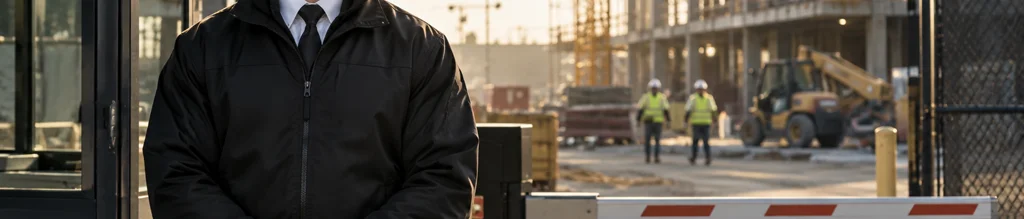
Common Washington triggers include impaired sprinkler or alarm systems during scheduled service, hot-work operations, and construction-phase fire-system takedowns on downtown along K Street and 14th Street sites. Officers arrive with a clipboard log or a mobile equivalent that meets the jurisdiction's records requirement; when the fire marshal or an inspector asks for the log, it is produced without delay. AES will not sign for or attest to conditions outside the fire watch scope.
- Documented rounds at agreed interval
- Round log with timestamp and location
- Officer briefed on the site instructions
- Same-day availability where scope is straightforward
- Coordinates with your fire-alarm or system professional
Who requests fire watch in Washington, DC?
Fire watch requests in Washington, DC typically come from property managers, general contractors mid-build, and facilities teams during scheduled sprinkler or alarm service. The trigger is almost always an impaired system, a hot-work window, or a construction-phase condition on downtown along K Street and 14th Street or similar.
The requesting party owns the conversation with the DC Fire and EMS Department Fire Prevention Division; AES executes to the jurisdiction's written instructions. Officers arrive with a log, walk the defined route on the defined interval, and hand the log to the client — or the inspector — on request.
Washington · fire watch FAQs.
Can you provide coverage tonight?
Same-day fire watch is possible where the scope is straightforward and the responsible authority instructions are in hand. Call dispatch to discuss the specific site.
Does AES determine the required watch interval?
No. The interval and duration are set by the responsible authority and your qualified professionals — AES executes the documented rounds against those instructions.
What documentation do you provide?
A round log with time-stamped stop confirmations, delivered on shift end. Longer engagements receive daily summaries.
Do you work with our fire-alarm system professional?
Yes. Coordination with your system professional is part of the standard fire-watch brief.
How do you handle motorcade or short-notice road closures in DC?
Motorcade closures and Secret Service perimeters can appear on short notice along Pennsylvania Avenue, 16th Street, K Street, and the Capitol Hill approaches. Post orders name the standing detour and the alternate arrival route, and the dispatcher tracks live routing on shift-change so relief still arrives on time.
Are your officers licensed to work in the District?
Yes. Assignments in Washington, DC are staffed under the District's Special Police Officer or Security Officer framework as the specific role requires, distinct from Virginia's DCJS 01A. The site brief names the applicable DC licensing for the role before day one.
Fire Watch in the surrounding DMV.
Washington sits within the broader AES daily catchment. Explore the same service in adjacent locations, or discuss a multi-site scope with AES directly.
Discuss the actual role.
Every Washington enquiry is scoped in writing before commitment. Explore an adjacent service if the fit is closer.