One center. Many different working days.
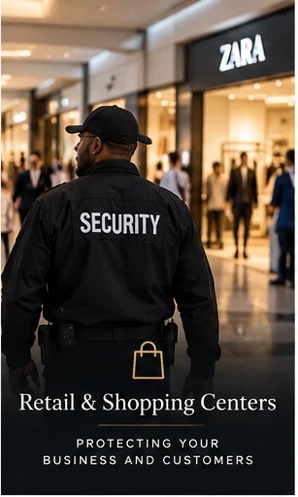
A shopping center does not open and close all at once. Delivery teams may arrive before the first shop opens; restaurants may remain busy after other tenants leave. A useful security brief recognizes those different rhythms rather than applying the same assumptions to every entrance and every hour.
AES offers shopping center services that include on-site officers, patrol options, and parking-related support. The starting point is your tenant mix, the shared spaces you manage, and the issues you want to address.
Connect the public areas and the back of house.
Discuss where visitors arrive, how service deliveries reach tenants, and which areas are shared. Clarify the relationship between center management, individual retailers, maintenance teams, and any existing security arrangements.
Foot, bicycle, and vehicle patrol options are listed in AES’s shopping center offering. Their suitability and availability need to be reviewed for the property. Retail businesses can also explore questions specific to individual stores.
Treat parking as part of the property experience.
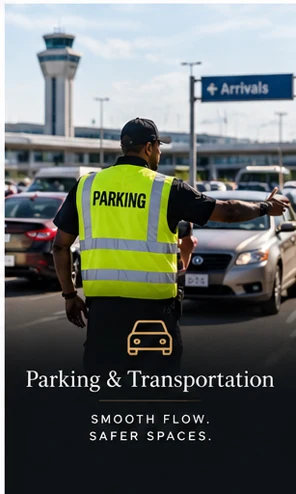
Parking enquiries may involve observation, traffic-related support, property rules, or coordination around vehicles left in the wrong place. These are different responsibilities and should not be combined into a vague request to “handle parking.”
The parking and traffic page explains the information to prepare. Any enforcement, towing, signage, or public-road responsibility must be reviewed with the appropriate authority and property decision-maker before it is included.
Plan for the days that are not routine.
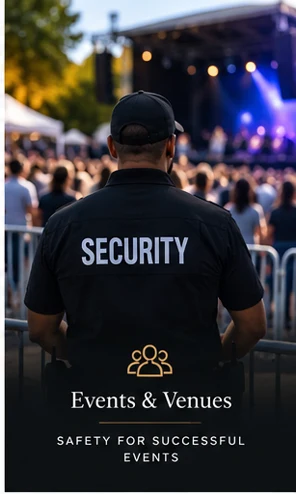
Seasonal trading, a new tenant opening, building work, and a special event may change the use of common areas. Explain what changes, when it changes, and who coordinates the different parties. Event-related duties may need a separate event security discussion.
When you enquire, include the center’s location, general layout, operating hours, and the immediate priority. Avoid sending security plans or access credentials through the initial form. A clear first brief is more useful than a long list of unspecified worries.
Put the service in context.
The questions change with the property. Explore the brief for your setting; specific suitability and availability still require confirmation.
Before you enquire.
Can the conversation include individual tenant needs?
Yes. Explain which responsibilities belong to center management and which belong to individual tenants, so the proposed scope respects those boundaries.
Does AES offer more than one patrol format?
AES lists foot, bicycle, and vehicle patrol options for shopping environments. The appropriate option and actual availability are confirmed for each property.
Can parking support be included?
Parking-related services can be discussed. The exact duties and permissions need to be established rather than assumed from a general security request.
Where do you need support?
Review the regional information, then confirm availability and assignment requirements directly.