1. Identify the current phase and the next change.
State whether the project is at an early site stage, active building work, fit-out, or a transition toward occupation. Explain the expected dates and any major change in the use of the premises.
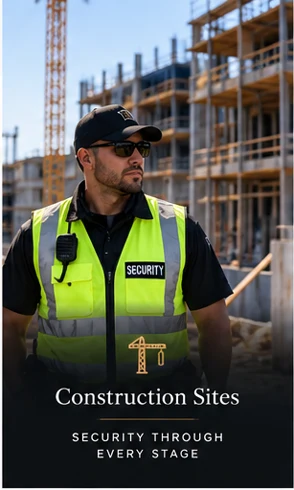
The point is not to predict every future issue. It is to stop a brief written for one stage from silently becoming the instruction for a very different site. Construction-site security provides the service starting point.
2. Name who controls the site instructions.
Identify the developer or owner, general contractor, onsite contact, and person authorized to agree to the service. Clarify who can issue an instruction and who should be consulted when directions conflict.
Do not ask a security assignment to resolve an unclear ownership or management structure. A concise contact chain is a practical part of the brief, even when detailed personal information is shared later through another channel.
3. Separate requested security duties from construction work.
Describe the role to discuss: access-related responsibilities, observation, an agreed presence during particular hours, or monitoring of an existing system. State what the contractor’s staff already handles.
Site engineering, technical system maintenance, safety inspections, and construction supervision are not automatically included. Any specialized task needs an explicit review rather than an assumption based on the presence of an officer.
4. Review the periods when use changes.
Working hours, deliveries, subcontractor access, and areas moving toward handover may change as the project progresses. Describe these patterns at a high level in the initial enquiry.
Keep detailed site vulnerabilities, access instructions, equipment records, and private schedules out of the public form. Arrange an appropriate means of sharing information genuinely needed for later planning.
5. Handle authority-directed requirements separately.
A fire-watch enquiry should refer to the actual instructions and responsible contact for the property. The duties, timing, records, and qualifications needed cannot be determined by copying a generic website checklist.
This planning guide does not establish code compliance or replace the decisions of responsible authorities and qualified professionals. Raise any specific requirements before the engagement is agreed.
6. Plan the handover to ordinary property operation.
When a project becomes an occupied building, the people and responsibilities may change. Identify who will own the brief after handover and whether the original service still fits the use of the property.
Review commercial property security for the next operating stage. Use the service review guide to separate completed project work from any new ongoing requirement.
Where do you need support?
Review the regional information, then confirm availability and assignment requirements directly.