Make the role understandable to residents.
A patrol should not arrive with a different interpretation of the rules from the board or management company. Identify the relevant policies, the reporting contact, and the process for questions that fall outside the agreed role.
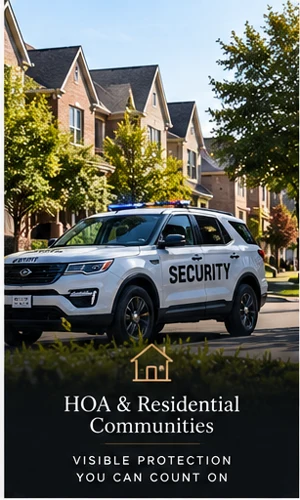
Resident complaints, parking concerns, maintenance issues, and emergencies are not the same thing. Decide how these categories will be directed before asking one service to absorb them all.
Be specific about timing and limitations.
Explain whether the enquiry concerns an ongoing arrangement, a seasonal period, or a community event. A scheduled patrol is not the same as continuous observation of every street, property, or amenity.
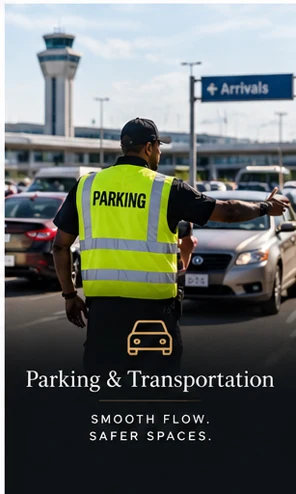
Any parking-related activity should be discussed against the relevant instructions and permissions. Review parking and traffic support rather than assuming enforcement or towing is included.
Give the board a useful basis for comparison.
Document the proposed scope, communication route, and schedule in terms the board can review. Include the process for changing instructions and the person authorized to approve those changes.
The service review guide can help an association evaluate whether the agreed work is being delivered and whether the community’s needs have changed. Keep private resident information out of general enquiry messages.
Before you enquire.
Does community patrol replace emergency services?
No. Call 911 for an emergency. Private security arrangements should not be presented as a substitute for police, fire, or medical response.
Can an HOA request event-related support?
Yes. Describe the venue, attendance pattern, date, and any parking requirements as a separate part of the enquiry.
Where do you need support?
Review the regional information, then confirm availability and assignment requirements directly.