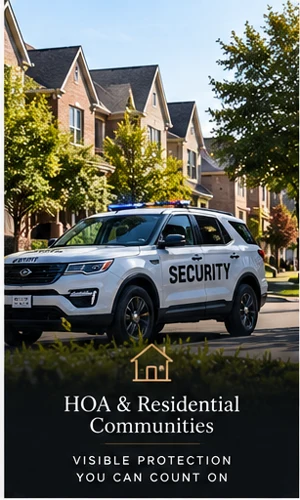
Not every requirement sits at the front door.
A property may include parking, shared outdoor areas, several buildings, or entrances used at different times. A patrol discussion looks at how those areas relate to one another and what presence is needed between them.
AES lists roving officers, neighborhood patrols, and company-vehicle patrols within its physical-security offering. The property, schedule, and agreed duties determine which arrangement is suitable and available.
Decide what each visit is intended to achieve.
A patrol brief should identify the areas included, the type of observation requested, the relevant property rules, and how concerns are communicated. Those decisions are more useful than asking for an unspecified “regular patrol.”
A patrol is not a promise that someone will be at every location continuously. Where a particular entrance needs continuous attendance, compare patrol coverage with security officer services rather than treating the two as interchangeable.
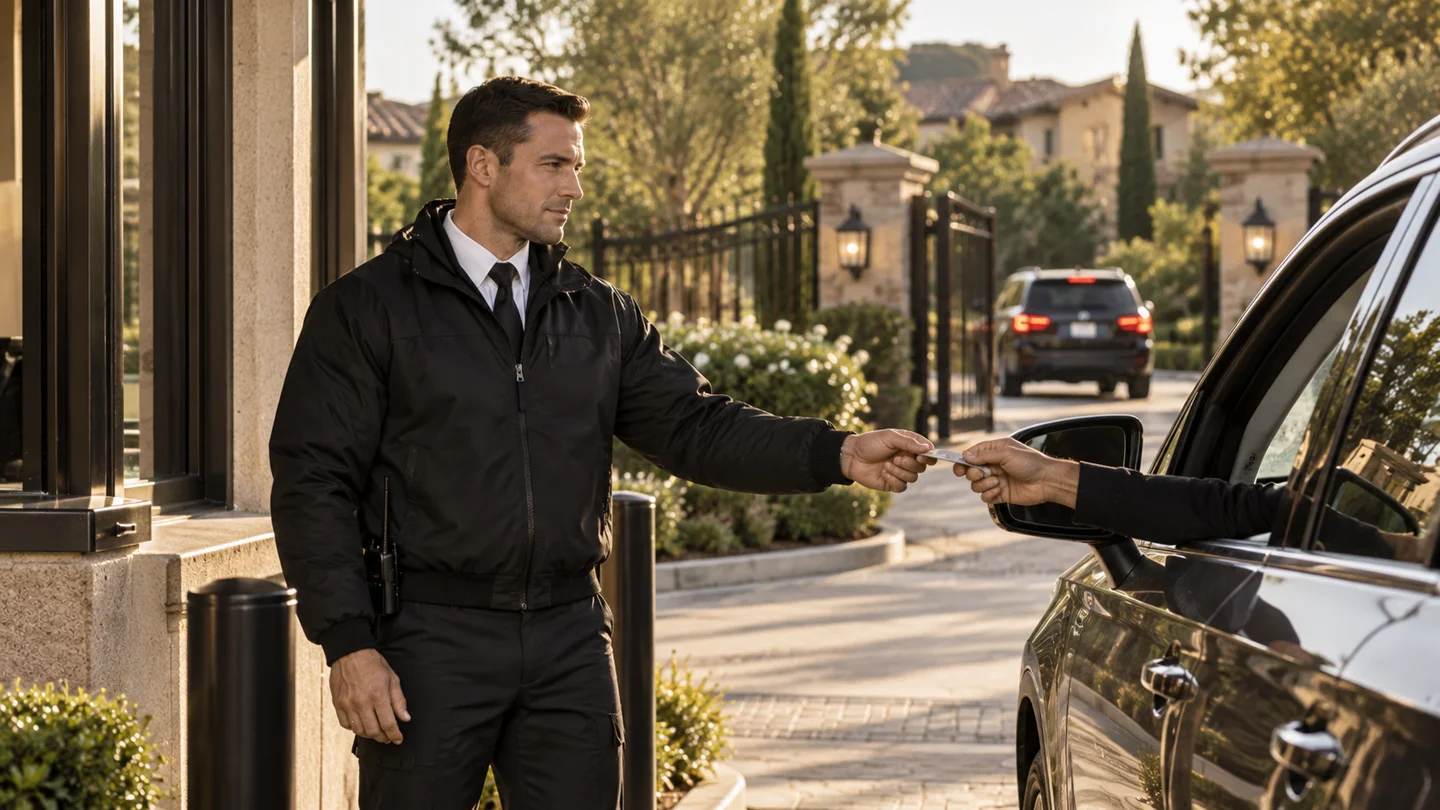
Use observations to improve the conversation.
Ask how an issue will be recorded, who receives it, and what happens next. A repeated problem is easier to discuss when its location, timing, and ownership are clear. An observation alone does not show that a corrective action has been completed.
Bring the general location, property type, requested coverage window, and association or management contact to the first call. Use the fixed-post and patrol guide to compare the options before deciding what to request.
Put the service in context.
The questions change with the property. Explore the brief for your setting; specific suitability and availability still require confirmation.
Before you enquire.
Does a patrol mean continuous on-site attendance?
Not necessarily. Patrol frequency, duration, areas, and duties depend on the agreement. Continuous attendance at a defined point requires a separate coverage discussion.
Can HOA boards contact AES directly?
Yes. Include the association contact, community location, shared areas, and the coverage question the board wants to discuss.
Can a specific patrol timetable be requested?
You can describe the desired timetable. AES must confirm availability and the final arrangements; a form submission does not activate patrol coverage.
Where do you need support?
Review the regional information, then confirm availability and assignment requirements directly.